This is planned work, so you can schedule it, and same-day appointments are available for walk-through visits when we have room. For gas smells, see the safety section below first. Leave the building and call Enbridge Gas at 1-800-767-1689 or 911 before you call a plumber.
If you smell gas, do this before anything else
Gas safety comes ahead of plumbing. If you smell gas, leave the building immediately. Do not use switches, phones inside the house or anything that could spark. From a safe distance, call Enbridge Gas (formerly Dominion Energy Utah) at 1-800-767-1689 or call 911. Call a plumber only after the gas utility says the building is safe.
We do not promise a response time on gas calls. The utility and emergency services respond first, and their instructions come before ours.
Gas line inspection and new gas piping
Once the utility has cleared the building, a plumber can inspect gas piping, replace damaged sections or add a line for a range, dryer, fireplace or outdoor grill. Gas work needs a permit and inspection, and the pipe is pressure tested before the meter is turned back on.
Adding a gas appliance is not a casual job. Pipe size must match the appliance load, the shutoff must be accessible, and the venting has to be right. If you are replacing a gas water heater, our water heater installation page covers that. Call 8-1-1 before any digging near a buried gas line.
New fixtures in an existing house
A new fixture means new supply lines, a drain, a vent and a shutoff. Common installs include a second sink, a laundry hookup, a basement bathroom, a utility sink or a new toilet in an unfinished area. The toilet side of a basement bath often needs a pump or a drain break, which is its own plan.
Utah limits what homeowners may do themselves. Installing a fixture for the first time is not covered by the homeowner exemption, and modifying existing piping is not either. Check with the Building Department and DOPL before starting. We take care of the permit and inspection. For repairs to a fixture you already have, see faucet repair.
Remodels: kitchens and bathrooms
Remodels are where plumbing choices pay off or cause regrets. Moving a sink or toilet changes the drain slope and vent path. Replacing old galvanized lines while walls are open usually costs less than doing it later, and the same goes for new shutoff valves.
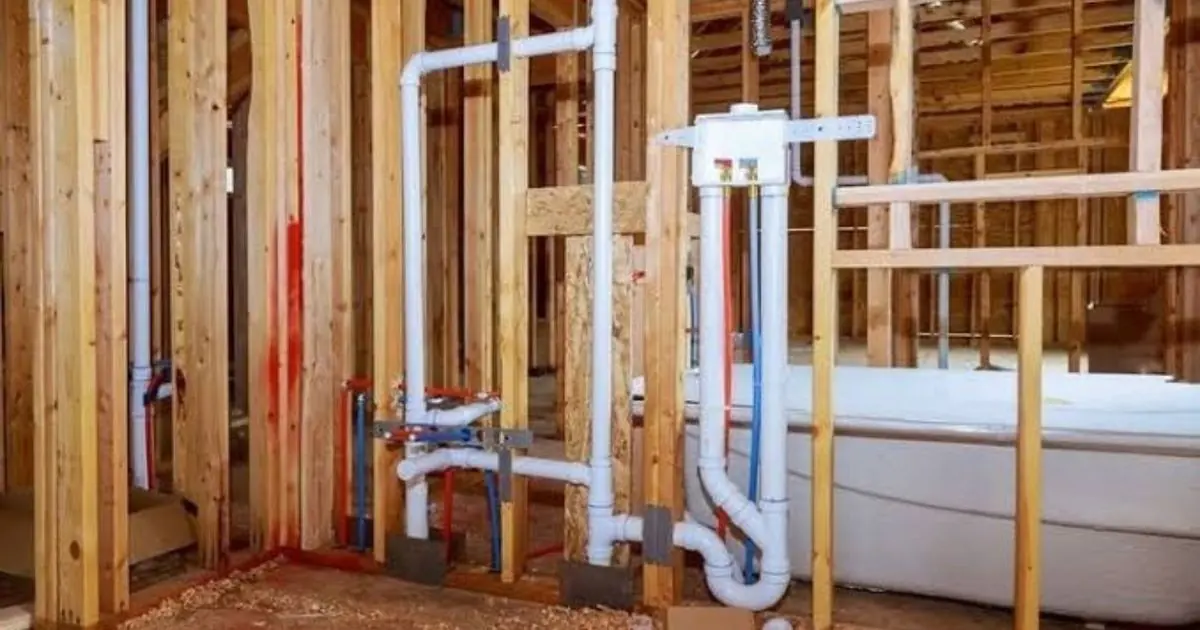
We rough in plumbing before drywall, set fixtures after finishing, and test under pressure before the walls close. Walk through the plan with us before demolition so we know where the walls will open.
What we install, by job
| Job | What is involved | Permit |
|---|---|---|
| New fixture in a finished room | Supply, drain and vent runs, shutoffs | Yes |
| Basement bath rough-in | Drain below slab or pump, vent, supply | Yes, plus sewer district fees for added fixtures |
| Kitchen or bath remodel | Rough-in, relocating drains, new valves | Yes when piping changes |
| New water line to a garage or outbuilding | Trench, line, shutoff, frost protection | Yes |
| Appliance hookup (dishwasher, ice maker) | Supply, drain, shutoff | May depend on scope |
Water lines and PEX for new work
New water lines to an addition, garage or outbuilding are typically run in PEX or copper. PEX is quick to install, resists bursting better than rigid pipe and is allowed for potable water when it is the approved type. Whatever the material, a buried line must sit below frost depth. The city lists 30 inches as the footing frost depth, which we use as a guide.
If an existing line needs replacing instead, see water line repair. Whole-house pipe swaps are described on our repiping page.
Ready to plan your plumbing install?
Call and tell us what is being installed, where, and whether walls are open. A plumber will explain the next step.
New construction plumbing
For a new house or addition, plumbing happens in stages: underground drains and sewer connection, rough-in in the framing, then fixtures at finish. Each stage has an inspection. The South Davis Sewer District collects impact fees before a new lateral or added fixtures are installed and inspects the connection. The city building permit does not include those fees.
Hillside lots east of Highway 89 may fall under a Geo Hazard Review before the building permit is issued. Ask the Building Department early.
Permits, fees and who inspects
Plumbing permits are issued through the Building Department at 10 E Center Street. Applications go through the City Inspect portal, and the quick facts sheet notes there is generally no plan review for plumbing. The over-the-counter permit is $50.50, and inspections run Monday to Thursday. The district’s sewer fee is separate and paid to the South Davis Sewer District at 801-295-3469.
Utah plumbing code is the 2024 International Plumbing Code (IPC) from July 1, 2026, with Utah’s amendments for water heater strapping. Confirm any contractor’s license on the DOPL lookup.
What drives the price of an installation
We give you a clear price before work starts. These are the things that change it:
- Distance from existing supply and drain lines.
- Whether walls, floors or slabs must be opened.
- Fixture and valve selection.
- Permit, sewer district fees and inspection scheduling.
- Whether the work is rough-in only or complete with fixtures.
Questions to settle before the first day
- Which fixtures are you adding, and where will they sit?
- Is there a drain and vent within reach, or does the line need to move?
- Will the water be off, and for how long?
- Who supplies the fixtures, you or us?
- Do you have the manufacturer specs, so the rough-in dimensions match?
- Are there hillside or sensitive-lands concerns for the property?
Why the permit is worth getting
An unpermitted installation can cause trouble at resale and with insurance. Inspections catch leaks and venting errors before drywall hides them. The permit in North Salt Lake is inexpensive compared to a hidden failure.
The code behind a new installation
New fixtures and piping in Utah are built to the 2024 International Plumbing Code from July 1, 2026, with Utah’s own amendments. One amendment requires water heaters to be strapped in the upper and lower thirds of the tank. Inspection checks that venting, traps, supports and shutoffs meet that code before the walls are closed.
Frequently asked questions
Leave the building and call Enbridge Gas at 1-800-767-1689 or 911 from a safe distance. Do not call a plumber first, and do not turn switches on or off. We do not promise gas response times.
Utah limits what homeowners may do themselves. Installing a fixture for the first time is not exempt, and modifying existing piping is not covered. Check with the Building Department and DOPL.
Yes. We pull the plumbing permit through City Inspect and schedule the inspection.
The South Davis Sewer District charges impact fees for new laterals and added fixtures, paid to the district before installation. Call 801-295-3469.
Yes, once the building is known to be safe. Gas work needs a permit and a pressure test. Call the utility first if you smell gas.
Yes, for rough-in and finish plumbing on additions and new homes, in coordination with the inspection schedule.
Installations are planned jobs. If something is leaking or failed, call the 24/7 line and we stop the leak first. See Woods Cross service for nearby coverage.
Plumbing permits are generally issued the next business day after fees are paid, and inspections run Monday to Thursday.